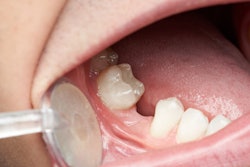
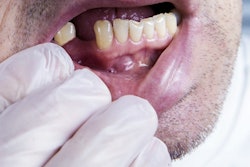
Tooth loss may be linked to higher rates of depression, suggesting that oral health can affect mental well-being through physical effects, as well as cognitive factors. This study was recently published in BMC Oral Health.
Therefore, patients with tooth loss may benefit from care that includes cognitive evaluation and interventions to reduce depression risk, the authors wrote.
“Complete tooth loss was associated with a higher prevalence of depression, with cognitive impairment accounting for a substantial proportion of this association,” wrote the authors, led by Huang Shi-jia of the Zhejiang University School of Medicine in China (BMC Oral Health, November 21, 2025).
The researchers analyzed cross-sectional data from the 2018 wave of the China Health and Retirement Longitudinal Study (CHARLS), which included about 11,000 participants with an average age of approximately 61. CHARLS offered up-to-date and comprehensive measures of dental status and cognitive function for this investigation, they wrote.
Depressive symptoms were measured using the Center for Epidemiologic Studies Depression Scale. Tooth loss was self-reported and categorized as complete tooth loss versus not. Cognitive function, assessed using an approach adapted from the Health and Retirement Study, evaluated orientation, memory, calculation, and visuospatial skills.
Univariate logistic regression showed that participants with tooth loss had higher odds of depression than those without tooth loss (odds ratio = 1.45, 95% confidence interval (CI): 1.28 to 1.64). This relationship remained significant even after adjusting for sociodemographic, lifestyle, and health factors, they wrote.
Furthermore, the average causal mediation effect of global cognitive ability was 0.043 (95% CI: 0.037 to 0.05). This indicates that global cognitive ability mediates the link between tooth loss and depression. The average direct effect was 0.024 (95% CI: 0.001 to 0.05), and 61.6% of the total effect was mediated by cognitive ability (95% CI: 0.439 to 0.987).
The study, however, had limitations. Nutritional status may have influenced both cognition and depression, but it was not accounted for in the analysis, the authors added.
“These findings suggest that interventions for older adults with tooth loss should adopt a holistic approach, incorporating cognitive assessment and interventions, to mitigate the risk of depressive symptoms and promote overall well-being,” they concluded.